Content marketing is more than just a buzzword; it’s the engine that drives modern digital business. It is the process of creating and distributing valuable, relevant, and consistent content to attract and retain a clearly defined audience. Ultimately, the goal is to drive profitable customer action.
This playbook will guide you through building a powerful content marketing strategy from the ground up, focusing on creating meaningful assets that deliver real results.
We’ll explore the foundational elements of a successful strategy, from understanding your audience to measuring your return on investment. You will learn how to create pillar content that acts as the backbone of your campaigns, develop an efficient content creation process, and track the metrics that truly matter.
By the end, you’ll have a complete framework for building a content machine that builds brand authority, engages your audience, and fuels business growth.
The Power of Content Marketing
In the digital landscape saturated with advertising, content marketing offers a different approach. Instead of interrupting potential customers with sales pitches, it provides value upfront. By offering solutions, answering questions, and sharing expertise, you build trust and establish your brand as a credible authority in your industry.
This trust is the foundation of a strong customer relationship. When a person needs a product or service you offer, they are far more likely to turn to the brand that has consistently provided them with helpful information.
The benefits are clear:
- Increased Brand Awareness: Quality content gets shared, putting your brand in front of new audiences.
- Improved SEO: Search engines reward websites that regularly publish high-quality, relevant content, leading to higher rankings and more organic traffic.
- Higher Engagement: Useful content encourages likes, comments, and shares, building an active community around your brand.
- Lead Generation: By offering valuable content in exchange for contact information (like an email address), you can build a pipeline of potential customers.
- Enhanced Customer Loyalty: Continuously providing value to existing customers reinforces their decision to choose you and encourages repeat business.
Pillar Content: The Foundation of Your Strategy
A successful content marketing strategy needs a solid foundation. This is where pillar content comes in. A pillar content piece is a substantial and informative piece of content on a specific topic or theme that can be broken down into many smaller, derivative pieces. Think of it as the central hub from which all other content on a particular topic radiates.
For example, a pillar post could be a comprehensive guide like “The Ultimate Guide to Home Gardening.” From this single piece, you can create a cluster of related content:
- Blog posts on “Choosing the Right Soil for Your Plants” or “5 Common Gardening Mistakes.”
- An infographic showing the best times to plant certain vegetables.
- A short video tutorial on how to prune roses.
- A series of social media tips on daily plant care.
- An email newsletter with seasonal gardening advice.
This “hub and spoke” model is incredibly efficient. It allows you to explore a topic in depth, establishing your authority while creating a wealth of smaller assets to distribute across various channels. This approach is also highly effective for SEO.
The pillar page targets a broad keyword (like “home gardening”), while the cluster content targets more specific, long-tail keywords (like “how to prune roses”). Internal links between the cluster pieces and the main pillar page signal to search engines that you have deep expertise on the subject, boosting your rankings for all related terms.
Pillar Content Stats
- Pillar pages can boost traffic by up to 3×.
- Long content (2,000+ words) ranks higher in most industries.
- Strong pillar pages earn 2–4× more backlinks.
- Users spend 5–7 minutes on detailed guides.
- Topic clusters improve keyword reach by 20–40 terms.
Businesses see 20–35% more leads from solid pillar content. - One pillar page can support 8–20 smaller articles.
Creating Your Content Marketing Strategy: A Step-by-Step Guide
A strategy without a plan is just a wish. To make your content marketing effective, you need a documented strategy that guides your efforts.
Step 1: Define Your Goals and KPIs
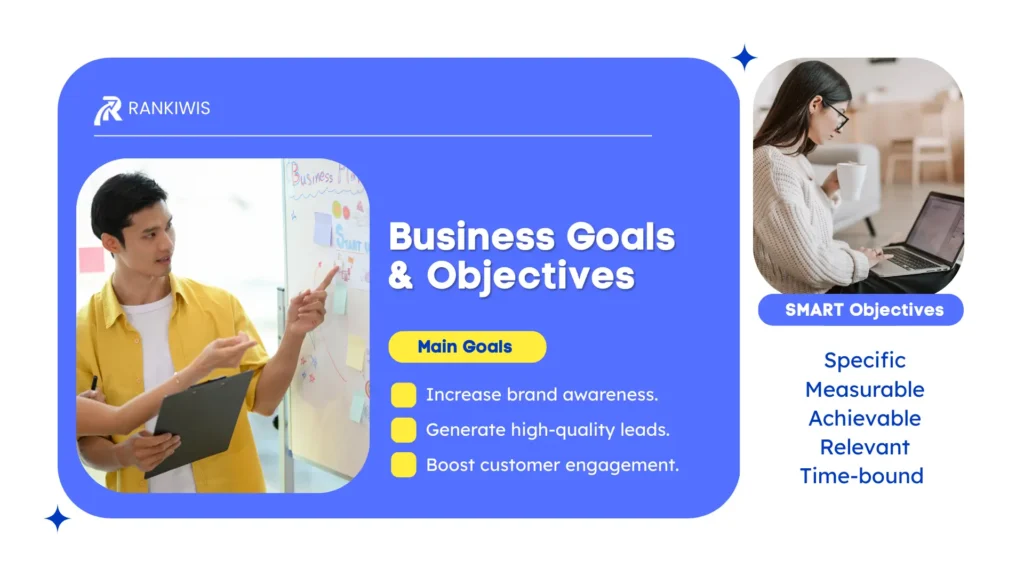
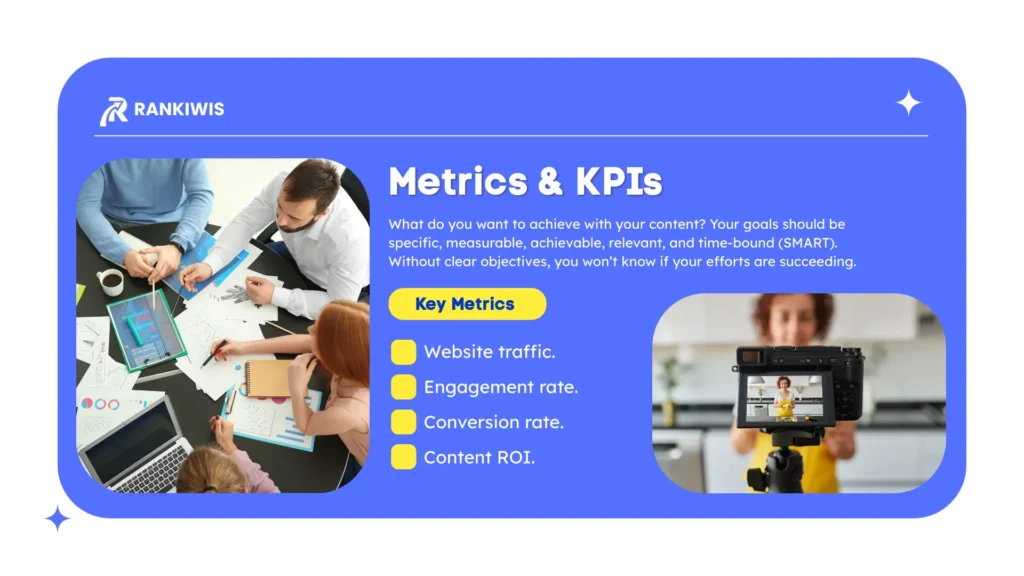
What do you want to achieve with your content? Your goals should be specific, measurable, achievable, relevant, and time-bound (SMART). Without clear objectives, you won’t know if your efforts are succeeding.
Common content marketing goals include:
- Brand Awareness: Measured by website traffic, social media followers, and content shares.
- Lead Generation: Measured by the number of new leads captured through content downloads or form submissions.
- Customer Acquisition: Measured by the number of new customers who first engaged with your content.
- Audience Engagement: Measured by likes, comments, time on page, and email open rates.
For each goal, define the Key Performance Indicators (KPIs) you will use to track progress. For example, if your goal is to increase brand awareness, your KPIs might be a 20% increase in organic website traffic and a 15% growth in social media followers within six months.
Step 2: Understand Your Audience
You cannot create compelling content if you don’t know who you are creating it for. Developing detailed buyer personas is a critical step. A buyer persona is a semi-fictional representation of your ideal customer based on market research and real data about your existing customers.

Your personas should include:
- Demographics: Age, location, job title, income level.
- Goals: What are they trying to achieve personally and professionally?
- Challenges: What pain points or problems are they facing?
- Motivations: What drives their decisions?
- Information Sources: Where do they go for information? (e.g., specific blogs, social media platforms, industry publications).
Understanding these details allows you to create content that resonates deeply because it speaks directly to their needs and challenges.
Step 3: Conduct a Content Audit
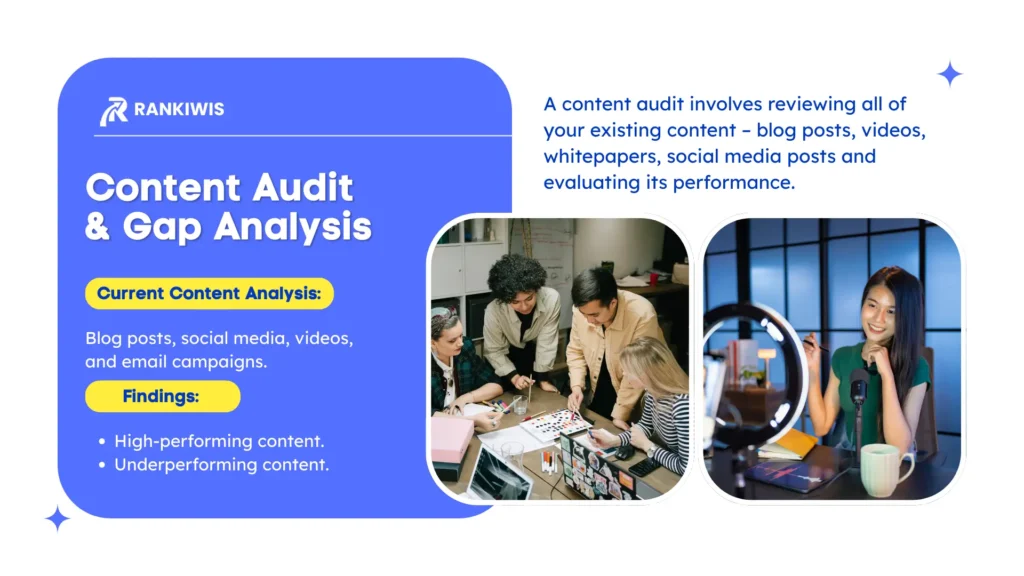
Before you create anything new, you need to know what you already have. A content audit involves reviewing all of your existing content – blog posts, videos, whitepapers, social media posts and evaluating its performance.
For each piece of content, ask:
- Is it still accurate and relevant?
- Is it performing well (e.g., generating traffic, leads)?
- Does it align with your current brand messaging and goals?
- Are there gaps in the topics you cover?
Based on your audit, you can decide whether to update, repurpose, or remove old content. This process often reveals valuable assets that can be refreshed for a new audience or opportunities to fill content gaps.
Step 4: Brainstorm Content Ideas and Choose Your Topics
With a clear understanding of your goals, audience, and existing content, it’s time to brainstorm new ideas. Focus on topics that sit at the intersection of your expertise and your audience’s needs.
Use tools like:
- Keyword Research Tools: Find out what your audience is searching for.
- AnswerThePublic: Discover questions people are asking around a specific keyword.
- Competitor Analysis: See what topics your competitors are covering successfully.
- Customer Feedback: Pay attention to questions your sales and support teams receive.
Group your ideas into topic clusters around your chosen pillar content themes. This will help you build authority and improve your SEO performance.
Step 5: Choose Your Content Formats and Channels
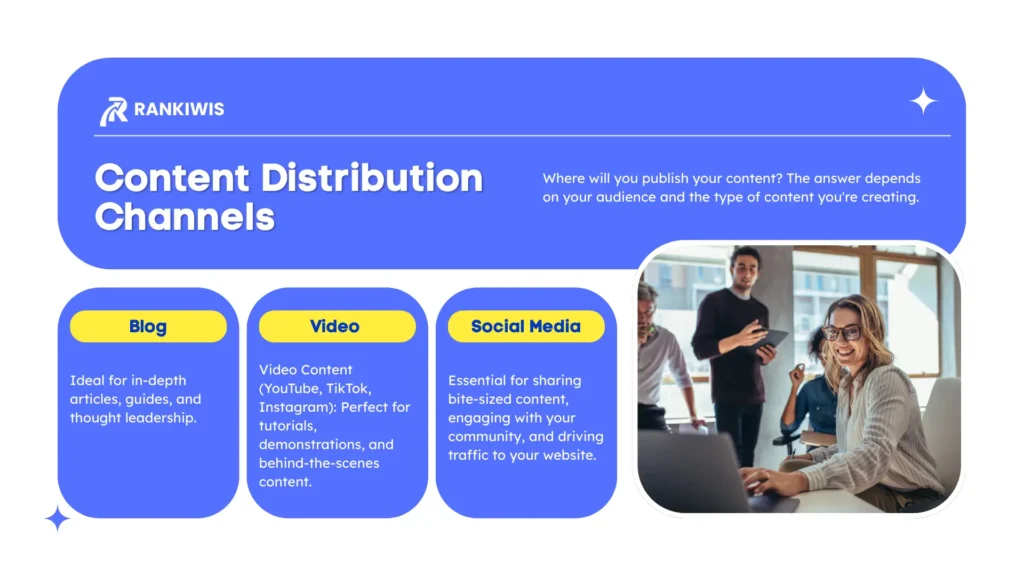
Where will you publish your content? The answer depends on your audience and the type of content you’re creating.
- Blog: Ideal for in-depth articles, guides, and thought leadership.
- Video Content (YouTube, TikTok, Instagram): Perfect for tutorials, demonstrations, and behind-the-scenes content.
- Podcasts: Great for interviews, discussions, and storytelling for an audience on the go.
- Social Media: Essential for sharing bite-sized content, engaging with your community, and driving traffic to your website.
- Email Marketing: A direct channel for nurturing leads and sharing exclusive content with your most engaged audience.
You don’t need to be everywhere. Choose the channels where your target audience is most active and focus on creating content that is native to that platform.
Step 6: Create a Content Calendar
A content calendar is a schedule that outlines what content you will publish, on which channels, and when. It is the tool that turns your strategy into an actionable plan.
Your calendar should include:
- The title or topic of the content piece.
- The format (e.g., blog post, video).
- The author or Content creator.
- The due date and publication date.
- The channels for content promotion.
- Relevant keywords and calls-to-action.
A well-organised calendar ensures consistency, helps you plan for important dates or holidays, and keeps your entire team aligned.
Tips for Effective Content Creation
Creating great content consistently is a challenge. The following tips will help you streamline your process and improve the quality of your output.
Focus on Quality Over Quantity
It’s better to publish one exceptional piece of content per week than five mediocre ones. High-quality content is well-researched, well-written, and provides genuine value to the reader. It’s what builds trust and authority. Invest the time to make every piece you publish the best it can be.
Write Compelling Headlines
Your headline is the first and sometimes only thing your audience will read. It must grab their attention and accurately reflect the content’s value. Use strong action verbs, include your target keyword, and create a sense of curiosity or urgency. A great headline can be the difference between a click and a scroll.
Structure for Scannability
Most people don’t read content online; they scan it. Make your content easy to digest by using:
- Short paragraphs: Aim for 2-4 sentences per paragraph.
- Clear headings and subheadings (H2, H3): Guide the reader through the text.
- Bulleted and numbered lists: Break up dense information.
- Bold text: Emphasise key points.
This structure not only improves the reader experience but also helps search engines understand the hierarchy and key topics of your content.
Develop a Consistent Brand Voice
Your brand voice is the personality your brand projects through its words. Is it professional and authoritative? Or is it playful and witty? Whatever it is, it should be consistent across all your content. A consistent voice builds brand recognition and makes your content instantly identifiable to your audience.
Include a Clear Call-to-Action (CTA)
Every piece of content should have a purpose. What do you want the reader to do next? Your CTA should guide them toward that action. It could be to “Download our free guide,” “Subscribe to our newsletter,” “Book a demo,” or simply “Leave a comment below.” Make your CTA clear, visible, and compelling.
Measuring Content Marketing Success
To justify your investment in content marketing, you need to measure its impact. Refer back to the goals and KPIs you set in the first step of your strategy.
Key Metrics to Track
- Traffic Metrics:
- Page Views & Unique Visitors: How many people are seeing your content?
- Traffic Sources: Where is your audience coming from (e.g., organic search, social media, referral)?
- Bounce Rate: What percentage of visitors leave after viewing only one page? A high bounce rate may indicate that your content isn’t meeting expectations.
- Engagement Metrics:
- Time on Page: How long are people spending with your content? Longer times suggest higher engagement.
- Social Shares, Likes, and Comments: How is your audience interacting with your content on social platforms?
- Backlinks: How many other websites are linking to your content? This is a strong signal of quality and authority.
- Conversion Metrics:
- Lead Generation: How many leads did a piece of content generate? Use unique tracking links or dedicated landing pages to measure this.
- Conversion Rate: What percentage of people who consumed your content took the desired action (e.g., signed up for a trial, made a purchase)?
- Cost Per Acquisition (CPA): How much does it cost to acquire a new customer through your content marketing efforts?
Using Analytics Tools
Tools like Google Analytics are essential for tracking website traffic and user behavior. For social media, each platform has its own built-in analytics. Marketing automation platforms like HubSpot or Marketo can help you connect your content efforts directly to lead generation and sales, providing a full-funnel view of your content’s ROI.
Regularly review your metrics (monthly or quarterly) to understand what’s working and what isn’t. Use these insights to refine your strategy, double down on successful tactics, and improve underperforming content.
Frequently Asked Questions
What are content marketing strategies?
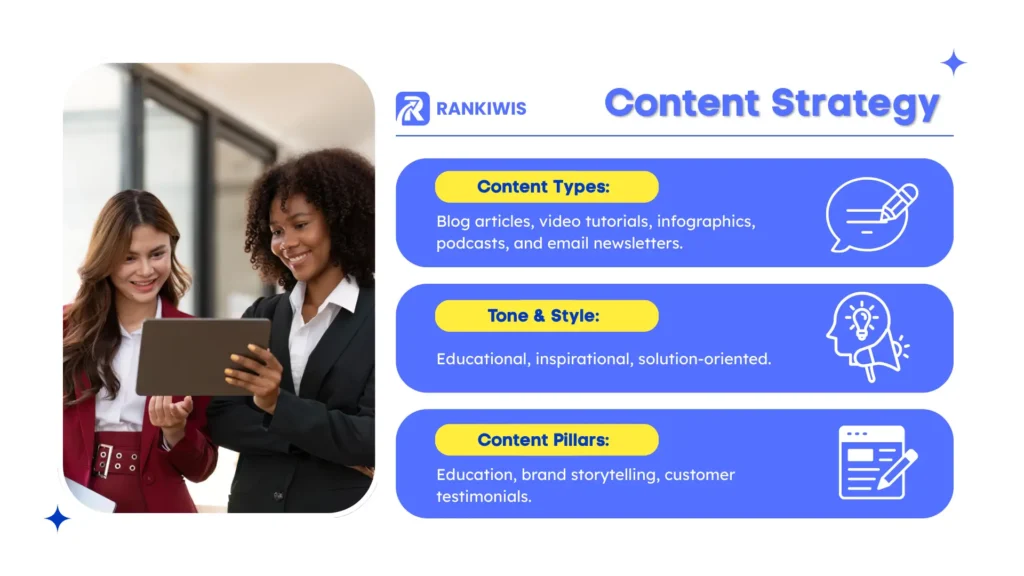
Content marketing strategies are detailed plans that outline how a business will use content to reach its goals. This includes deciding what content to create, how to share it, which audience to target, and how to measure success.
What are the 5 C’s of content marketing?
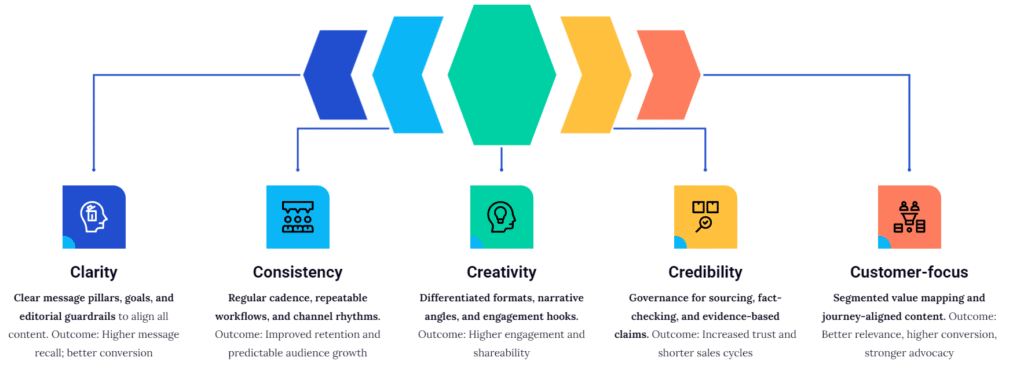
The 5 C’s are: Clarity (clear message and goals), Consistency (regular posting), Creativity (unique and engaging ideas), Credibility (trustworthy information), and Customer-focus (serving your audience’s needs).
What is the 70 20 10 rule in content marketing?
The 70 20 10 rule means spending 70% of your time on content you know works, 20% on new and promising ideas, and 10% experimenting with completely new things.
What are the 7 steps in creating a content strategy?
- Start creating clear goals
- Understand your audience
- Do a content audit
- Content Plan
- Choose content formats and channels
- Create a content calendar
- Track and measure results
How to pivot content strategy market shifts?
Listen to industry news and changes in customer needs. Review your analytics often. Be ready to change topics, formats, or channels so your content stays relevant and useful.
Conclusion
A successful content marketing strategy is a long-term commitment, not a one-time campaign. It requires a deep understanding of your audience, a commitment to quality, and a data-driven approach to measurement and refinement.
By building your strategy around foundational pillar content, creating valuable assets that solve your audience’s problems, and consistently measuring your results, you can build a powerful engine for sustainable business growth.
This playbook provides the framework. Now it’s time to put it into action. Start by defining your goals, getting to know your audience, and planning your first pillar content piece. The journey to becoming a trusted authority in your industry begins with a single piece of valuable content.