Introduction: Why On-Page SEO Still Drives Rankings
After 12 years working hands-on in SEO, across industries and algorithm cycles, one truth has remained consistent: on-page SEO is still one of the strongest ranking factors you directly control.
Websites don’t rank higher simply because they exist. They rank because each page clearly communicates relevance, intent, and value to search engines and users. On-page SEO is how that communication happens.
Where Google evaluates search intent, page experience, and content quality together, on-page SEO is no longer about mechanical tweaks. It’s about creating quality content that deserves to rank higher on the search engine results page (SERP).
This guide explains:
- What on-page SEO really is today
- A step-by-step optimization process
- Practical examples of good vs bad practice
- A complete optimization checklist you can apply to pages on your website
What Is On-Page SEO?
On-page SEO refers to optimizing individual web pages so they rank higher and attract relevant organic traffic. It includes everything you can control directly on the page, such as:
- Page title and headings
- Content quality and structure
- Keyword usage and targeting
- Internal linking and anchor text
- Image optimization and alt texts
- Structured data
- Page optimization for usability and performance
Unlike off-page SEO (links, mentions) or technical SEO (site infrastructure), on-page SEO focuses on clarity, relevance, and intent alignment.
From experience, pages that consistently rank higher are not “over-optimized.” They are simply easier for search engines and users to understand.
Let’s Explore a Step-by-Step Practical Guide for On-Page SEO
Step 1: Start with Search Intent (Not Keywords)
Search intent is the reason behind a user’s search. Before you look at keywords or plan content, you need to understand the goal behind the query.
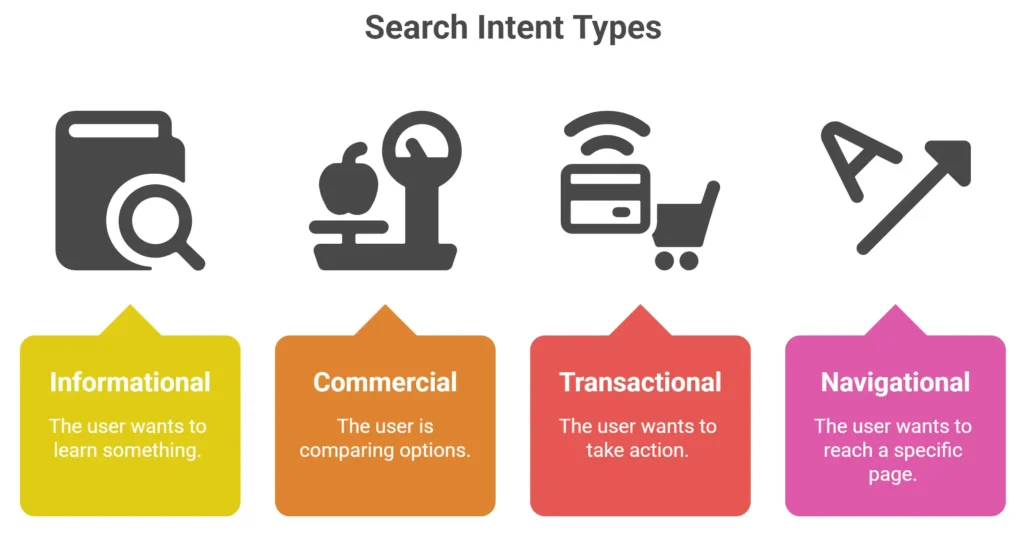
Types of Search Intent
- Informational: the user wants to learn something
- Commercial: the user is comparing options
- Transactional: the user wants to take action
- Navigational: the user wants to reach a specific page
❌ Bad Practice
Writing content for a keyword without checking what already ranks.
Example: Targeting “on-page SEO checklist” but publishing a short opinion piece that does not match the SERP.
✅ Good Practice
Review the top-ranking pages and match the:
- Content format
- Depth
- Structure
Why This Matters
Clear intent alignment is one of the strongest modern ranking factors. It helps search engines understand your content and improves your chances of ranking well.
Step 2: Keyword Research with Purpose
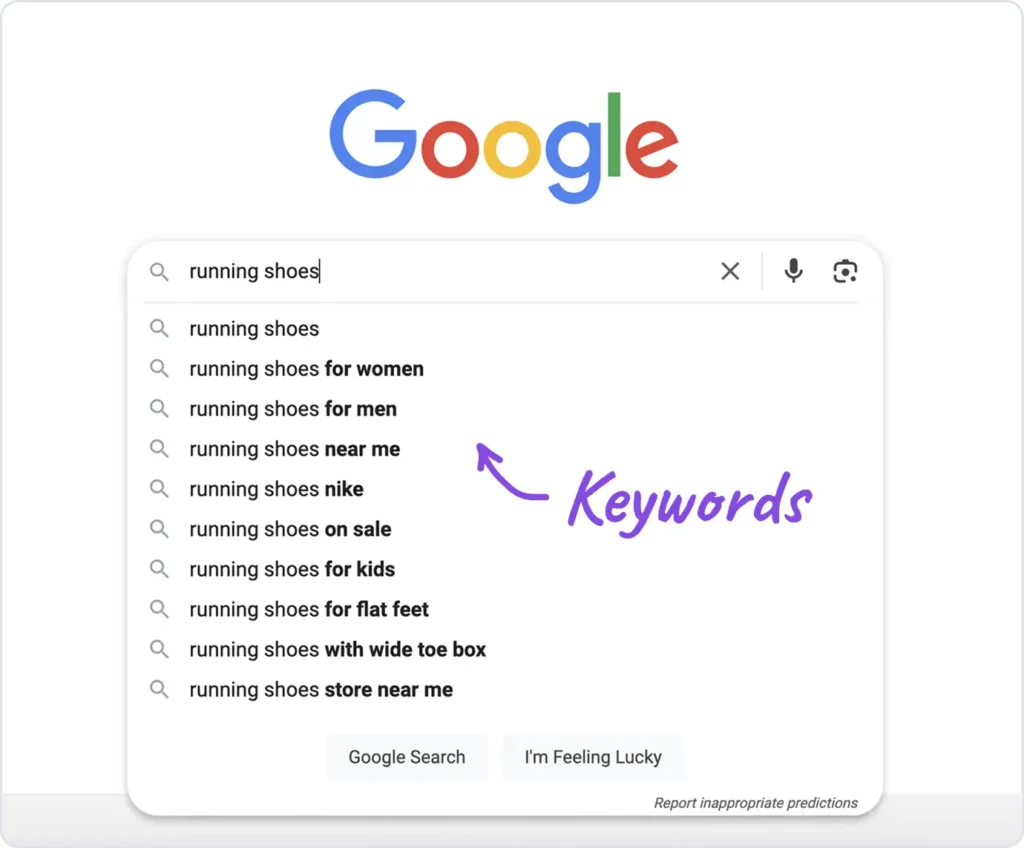
Keyword research should focus on relevance, not search volume. The aim is to choose the right keyword for the right page and avoid overlap across your site.
❌ Bad Practice
- One page targeting many unrelated keywords
- Multiple pages targeting the same keyword
This creates keyword cannibalisation and weakens your visibility.
Example of Bad Practice:
Two separate pages both trying to rank for “family lawyer Sydney” with similar content.
Both pages compete with each other instead of supporting one strong page.
✅ Good Practice
- One primary keyword per page
- Clear supporting keywords
- Strong topic ownership
Example of Good Practice:
A single main page targeting “family lawyer Sydney”
- supporting keywords like child custody lawyer, divorce lawyer, and family law advice placed naturally within the content.
Why This Matters
Purposeful keyword research defines the goal of each page and prevents internal competition. It gives your website a clear structure that search engines can trust.
Step 3: Create Content That Demonstrates E-E-A-T
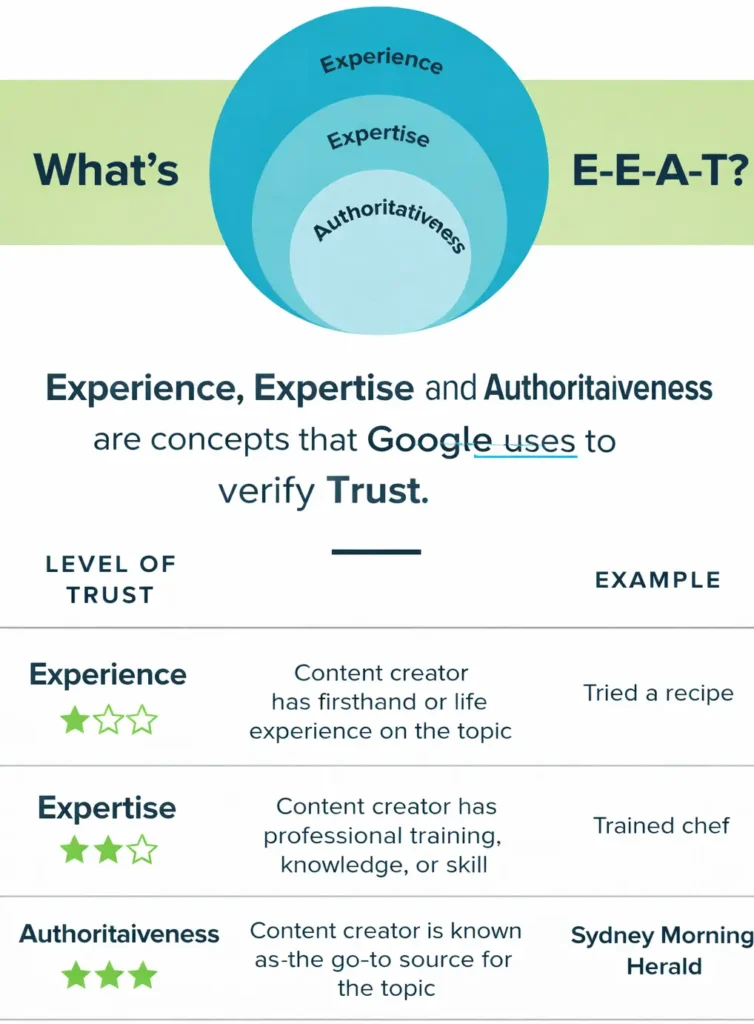
On-page SEO works best when your content shows real value. E-E-A-T helps search engines understand why your page deserves to rank and why users can trust the information.
Experience
Share insights that come from real work or lived situations. Show that you understand the topic beyond theory.
Expertise
Explain ideas with clarity and depth. Use simple language that still shows strong subject knowledge.
Authority
Cover related topics across your site and connect them with internal links. This builds a clear topic footprint that signals authority.
Trustworthiness
Use accurate information, honest claims, and a clean structure. Make it easy for users to understand and trust your content.
| Practice Type | Description | Example |
| ❌ Bad Practice | Thin content written only to target a keyword. | A 200-word page targeting “best web design” with no real insights, no examples, and no clear structure. |
| ✅ Good Practice | Content that answers the full query, adds context, and guides the reader through the next natural questions. | A well-structured page that explains features, accessibility needs, examples of User-friendly layouts, and FAQs about compliance. |
Content that answers the full query, adds context, and guides the reader through the next natural questions.
Step 4: Page Title Optimization (Rankings + CTR)
Your page title plays a key role in rankings and click-through rate. A clear title helps search engines understand your topic and encourages users to choose your result over others.
| Practice Type | Description | Example |
|---|---|---|
| ❌ Bad Practice | Title lacks context, has no keywords, and performs poorly on the SERP. | SEO Guide | Home |
| ✅ Good Practice | Title is clear, intent-aligned, and encourages clicks by showing the value of the page. | What Is On-Page SEO? A Step-by-Step Optimization Checklist |
A strong page title helps Google rank your page correctly and helps real users choose your website over others.
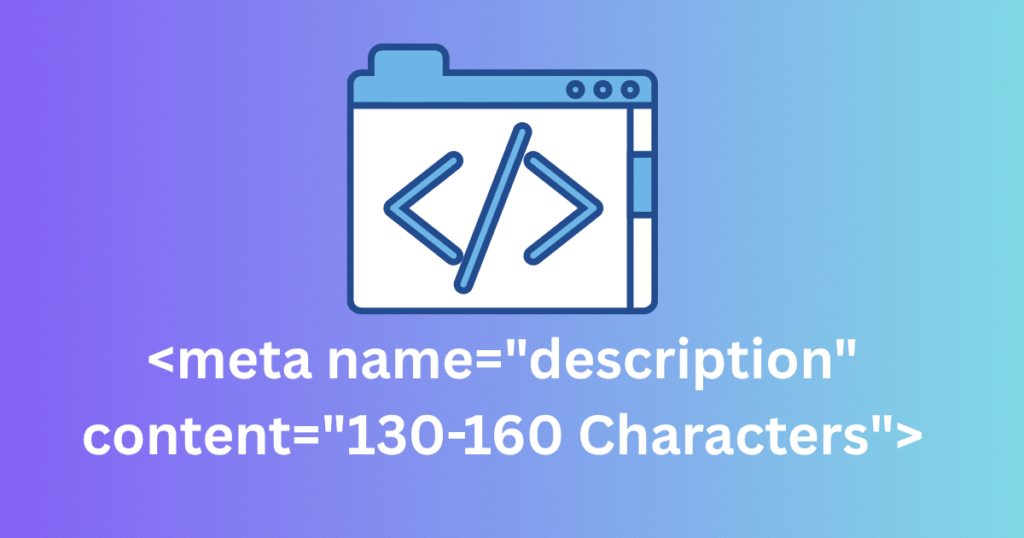
Step 5: Meta Descriptions That Drive Clicks
Meta descriptions may not directly affect rankings, but they play a key role in encouraging users to click. A clear and helpful description improves CTR and supports overall page performance.
| Practice Type | Description | Example |
| ❌ Bad Practice | Auto-generated text with repeated keywords and no clear message. | On-page SEO tips, SEO keywords, ranking SEO, SEO guide, SEO rules… |
| ✅ Good Practice | Clear, natural description that explains what the page offers and why it helps the user. | Learn how to improve your on-page SEO with simple steps that support rankings, clarity, and user experience. |
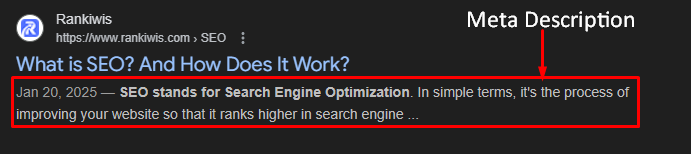
Custom meta descriptions have been shown to increase CTR by around 5.8 % on average.
Read more: How to Optimize Your Meta Descriptions for Better CTR
Step 6: Structuring Content with Headings
Headings help both users and search engines understand your content. A clear heading structure makes your page easier to read, improves user experience, and helps search engines identify the main topics and intent of the page.
| Practice Type | Description | Example |
| ❌ Bad Practice | Multiple H1s and headings stuffed with keywords. Confuses users and search engines. | H1: Buy Sofa Sydney |
| ✅ Good Practice | One clear H1 and logical H2–H4 flow written for humans. | H1: Modern Sofa Collection – XYZ Furniture H2: Explore Our Best-Selling Sofas H3: Features That Improve Comfort and Style |
Pro Tip: Use one clear H1, follow a logical H2–H4 structure, and write headings for people first. This helps Google understand your page and makes it easier for customers to find what they need.
Step 7: Strategic Keyword Usage
Keywords still play an important role in on-page SEO, but overusing them can harm readability and weaken performance. The goal is to place keywords in natural, meaningful areas of the page.
| Practice Type | Description | Example |
| ❌ Bad Practice | Keyword forced into every line, making content sound robotic. | “Our modern sofa Sydney is the best modern sofa Sydney for anyone wanting a modern sofa Sydney.” |
| ✅ Good Practice | Keywords placed naturally in titles, headings, and context. | H1: Modern Sofa Collection – XYZ Furniture Intro: “Our modern sofa range blends comfort and style for everyday living.” Contextual use: “Each sofa is built for long-term comfort and suits a wide range of spaces.” |
Step 8: Internal Linking & Anchor Text
Internal links help guide users, support context, and distribute authority across your website. Strong internal linking also helps search engines understand how your pages connect.
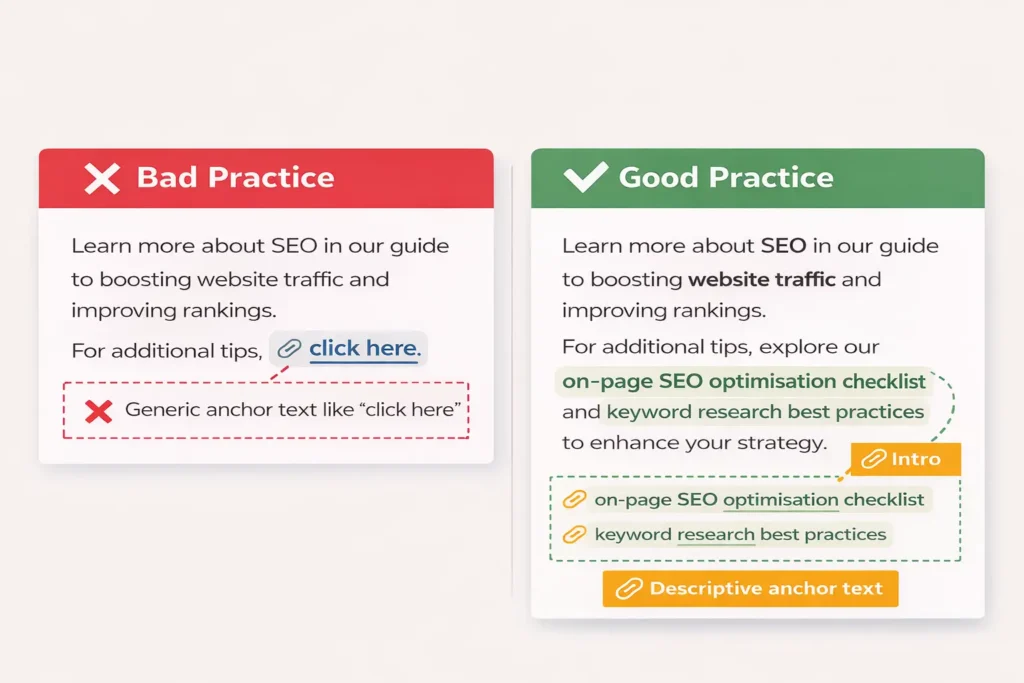
❌ Bad Practice
- Generic anchor text such as “click here”
- Links placed without context
- Linking only to the homepage
✅ Good Practice
Use clear, descriptive anchor text such as:
- “on-page SEO optimization checklist”
- “keyword research best practices”
“how to improve website structure”
Why This Matters
Internal linking is one of the simplest on-page optimization wins. It improves navigation, supports topic authority, and helps search engines follow your site structure.
Step 9: URL Optimization
A clear URL structure helps search engines understand your page and makes it easier for users to trust and navigate your site. Short, simple URLs also improve sharing and click-through rate.
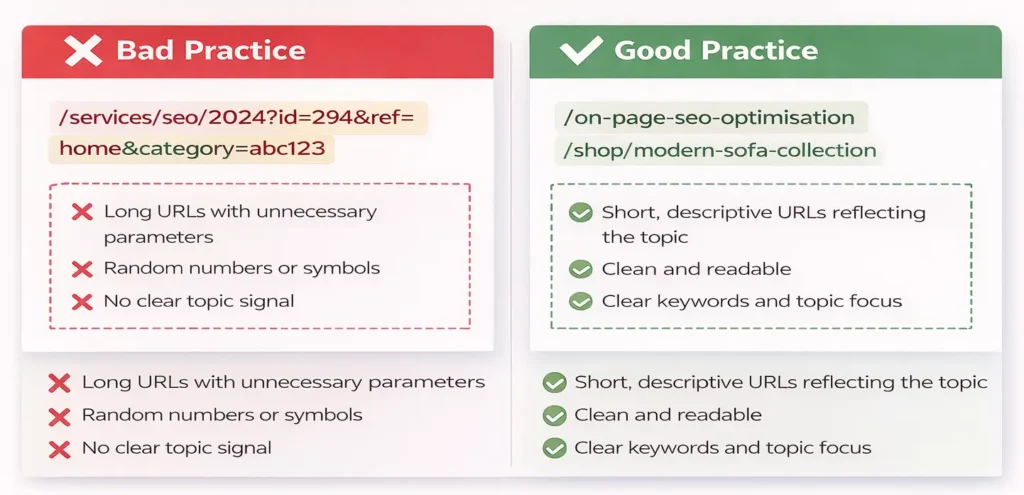
❌ Bad Practice
- Long URLs with unnecessary parameters
- Random numbers or symbols
- No clear topic signal
Example:
/services/seo/2024?id=294&ref=home&category=abc123
✅ Good Practice
- Short, descriptive URLs that match the content
- Clean structure
- Clear topic focus
Example:
/on-page-seo-optimization
/shop/modern-sofa-collection
Step 10: Image Optimization & Alt Texts
Images play a key role in usability, performance, and SEO. Search engines rely on alt text and filenames to understand visual content, and users benefit from faster load speeds and better accessibility.
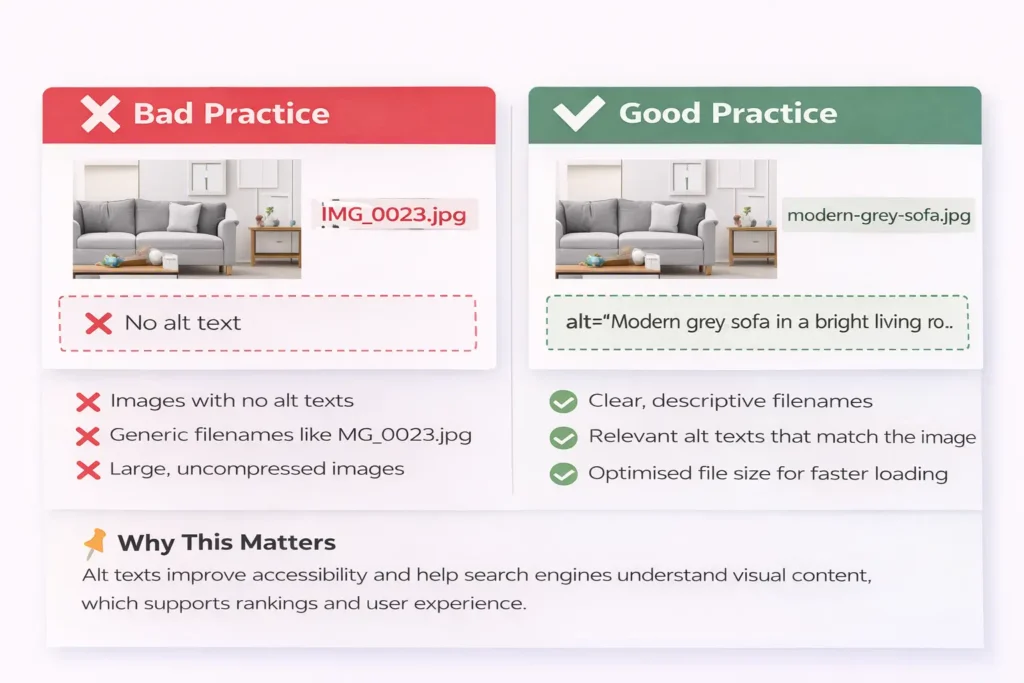
❌ Bad Practice
- Images with no alt texts
- Generic filenames like IMG_0023.jpg
- Large, uncompressed images
✅ Good Practice
- Clear, descriptive filenames
- Relevant alt texts that match the image
- Optimised file size for faster loading
Why This Matters
Alt texts improve accessibility and help search engines understand visual content, which supports rankings and user experience.
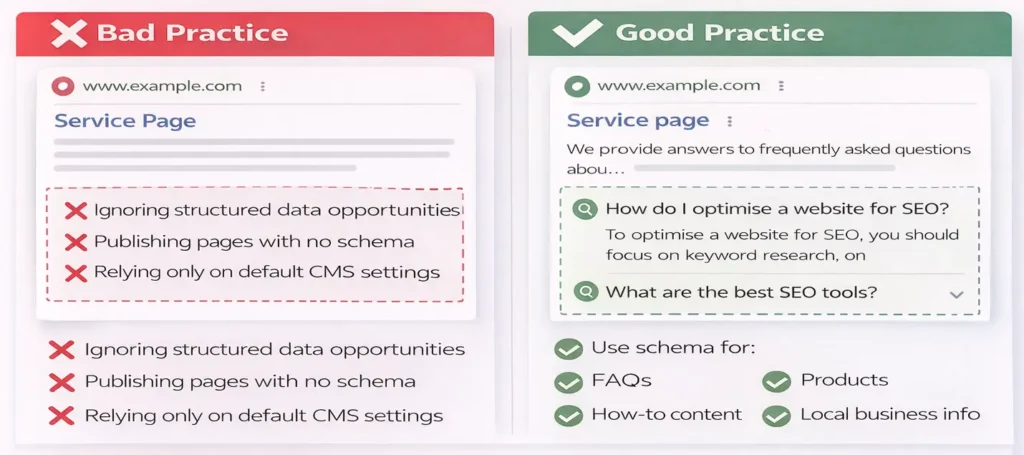
Step 11: Structured Data for SERP Enhancement
Structured data helps search engines understand your content with more clarity. It also increases your chance of earning enhanced search features, which can improve visibility and click-through rate.
| Practice Type | Description | Example |
| ❌ Bad Practice | No structured data added. Search engines receive limited context about the page. | A service page with no FAQ schema, no article schema, and no enhancements on the SERP. |
| ✅ Good Practice | Relevant schema added to help search engines interpret the content and improve visibility. | Adding FAQ schema to a support page, How-To schema to a tutorial, or Article schema to a blog post. |
Structured data can improve how your page appears on the SERP, giving you a better chance of earning rich results and higher engagement.
Step 12: Page Experience & Performance
Page experience is a strong signal for both rankings and user engagement. Slow, unstable, or hard-to-use pages lead to lower visibility and fewer conversions.
Key factors include:
- Page speed: Fast-loading pages improve engagement and reduce bounce rates.
- Mobile usability: Your site must work smoothly on all devices, especially mobile.
- Visual stability: Elements should not shift or jump as the page loads. This improves trust and reduces user frustration.
A strong page experience keeps users on your site longer and supports overall SEO performance.
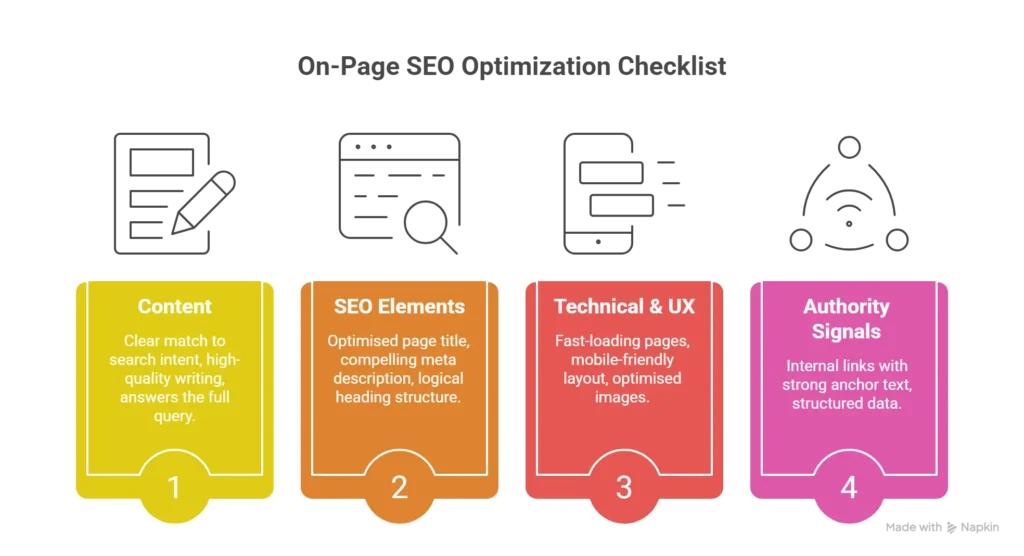
On-Page SEO Optimization Checklist
Content
- Clear match to search intent
- High-quality, expert-driven writing
- Content that answers the full query
SEO Elements
- Optimised page title
- Compelling meta description
- Logical H1–H4 heading structure
Technical & UX
- Fast-loading pages
- Mobile-friendly layout
- Optimised images with descriptive alt texts
Authority Signals
- Internal links with strong anchor text
- Structured data added where relevant
How On-Page SEO Has Evolved
From Keywords to Search Intent
Early SEO focused on repeating keywords as many times as possible. Today, Google looks at search intent—what the user actually wants when they type a query.
If your content does not match intent, it will struggle on the SERP, even if the keywords are placed correctly.
From Optimisation to Experience and Trust
Modern on-page SEO aligns strongly with E-E-A-T:
- Experience
- Expertise
- Authority
- Trustworthiness
Google favors pages that show real knowledge, clear value, and practical usefulness—not just technical optimization.
How to Use AI for On-Page SEO
AI-driven optimization now plays a major role in modern SEO. Large Language Models (LLMs), Generative Engine Optimization (GEO), and Answer Engine Optimization (AEO) shape how content is found, read, and ranked. On-page SEO depends on how well your pages communicate with both search engines and AI systems that serve direct answers.
LLMs help you analyze intent, organize information, and refine language. GEO targets AI-driven search tools that summaries or rewrite web content. AEO improves your visibility in AI responses, rich snippets, and zero-click results. Together, these systems change how websites compete for attention.
Key Ways AI Supports On-Page SEO
- LLMs uncover deeper intent and related topics.
- LLMs shape clean structure for GEO and AEO.
- LLMs refine tone, fix gaps, and simplify dense text.
- AI tools detect duplicates, weak schema, and missing metadata.
- LLMs strengthen brand and entity signals for E.A.A.T.
- LLMs refresh old pages with clearer answers and better structure.
- AI supports your strategy with steady, clear improvements.
Why On-Page SEO Is a Core Ranking Factor
On-page SEO shapes how well your website performs in search. It influences:
- How search engines read and interpret your pages
- How users move through your content
- Whether your page earns clicks and steady engagement
Strong on-page SEO leads to:
- Higher rankings
- Better click-through rates
- Stronger engagement
- Consistent organic traffic growth
Poor on-page SEO creates confusion for both users and search engines, which can hold your site back.
Final Thoughts: On-Page SEO Is About Clarity and Trust
On-page SEO is not about shortcuts. It’s about building pages that search engines and users can trust.
If your pages aren’t ranking as expected, the issue is rarely backlinks alone. More often, it’s unclear intent, weak page optimization, or missed opportunities across existing pages on your website.
A comprehensive SEO audit can uncover exactly what’s holding your content back and turn underperforming pages into scalable organic traffic drivers.