Search Engine Optimization (SEO) is the process of improving your website to increase its visibility in search engine results pages. Recent Reports show that 68% of online experiences begin with a search engine. When people search for products, services, or information related to your business, a strong SEO strategy helps them find you in the search engine results pages (SERP).
Think of it as a way to get free, organic traffic from places like Google, Bing, and Yahoo. A better ranking on a search engine results page means more eyes on your content. More eyes mean more potential customers. Simple, right?
This guide breaks down the complex world of SEO into three core areas. We will explore On-Page SEO, which covers the content on your web page. Then, we will cover Technical SEO, the behind-the-scenes work that helps search engines crawl and index your site effectively using tools such as structured data. Finally, we will dive into Off-Page SEO, which involves actions taken outside your website. You will learn practical steps to improve your website’s performance and attract the right audience.
Understanding On-Page SEO
On-Page SEO involves optimizing the individual pages on your website. The goal is to help search engines understand that your content is meaningful and relevant. This practice also improves the user experience for your visitors. You have direct control over these page factors, making it the perfect place to start your SEO journey. From keywords to content quality, every element on your page plays an important role.
The Power of Keyword Research
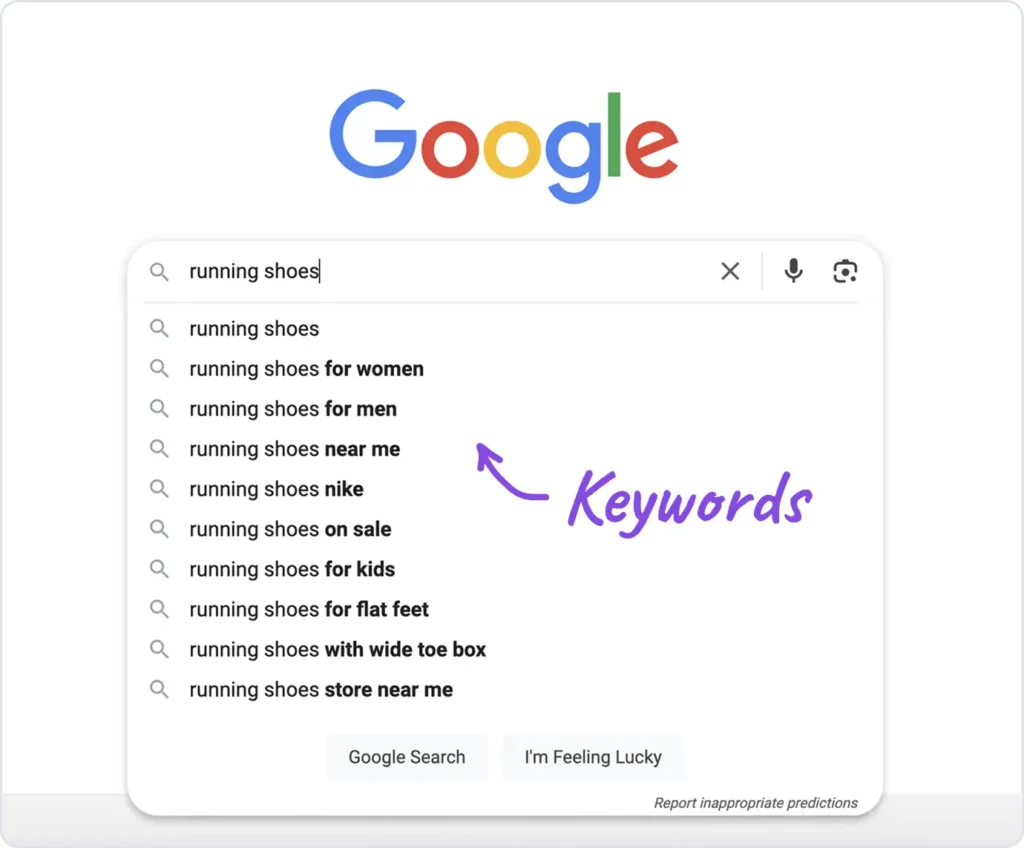
Keywords are the foundation of On-Page Optimization. Recent studies highlight that 92% of keywords get ten or fewer monthly searches, showing the importance of targeting long-tail keywords. These are the words and phrases people type into search engines and see displayed in search engine results pages. To succeed, you must target the terms your audience actually uses.
Proper keyword research helps you understand user intent. Are they looking to buy something, find information, or navigate to a specific web page? Answering this question guides your entire content strategy.
How to Find the Right Keywords
- Brainstorm Seed Keywords: Start with broad topics related to your business. A coffee shop might start with terms like “coffee beans,” “espresso,” or “local cafe.” These are your seed keywords. They form the basis for more specific searches.
- Use Keyword Research Tools: Tools like Google Keyword Planner, Ahrefs, or Semrush can expand your list. Enter your seed keywords to find related terms, search volumes, and difficulty scores. Look for long-tail keywords, which are longer, more specific phrases like “best organic coffee beans for cold brew.” These often have lower competition and higher conversion rates. People searching for specifics know what they want. According to Backlinko (2023), focusing on relevant, less competitive long-tail keywords can increase your ranking chances by more than 50%.
- Analyze Competitors: Look at the keywords your competitors rank for. This can reveal opportunities you might have missed. Tools can show you which pages on a competitor’s site drive the most traffic. Analyze that content. See how you can create something better and more comprehensive.
Understanding User Intent
User intent is the “why” behind a search query. There are four main types:
- Informational: The user wants to learn something. Examples: “how to make french press coffee.”
- Navigational: The user wants to find a specific website. Example: “Starbucks website.”
- Transactional: The user wants to buy something. Example: “buy Lavazza coffee beans.”
- Commercial Investigation: The user is comparing products before a purchase. Example: “Nespresso vs Keurig.”
Your content must match the intent of your target keywords. A blog post is great for informational queries. A product page is necessary for transactional ones. Good page SEO is important for making sure your web pages answer user questions directly, which can help you appear higher in search engine results pages.
Create High-Quality Content
Quality Content is king in the world of SEO. Search engines want to provide users with the most valuable, relevant, and helpful results. Your content must meet this standard. High-quality content is not just about avoiding typos; it is about providing real value that solves a user’s problem.

Elements of Great Content
- Originality: Your content must be unique. Never copy from other websites. Plagiarism hurts your rankings and your brand’s credibility. Provide a fresh perspective or more in-depth information than what is already available.
- Depth and Detail: Cover your topic thoroughly. A 2,000-word article that answers every possible question will outperform a short 300-word overview. Use examples, data, and case studies to support your points. Content with rich information attracts up to 77% more backlinks (Backlinko).
- Readability: Make your content easy to read. Use short sentences and paragraphs. Break up long walls of text with headings, subheadings, bullet points, and images. Aim for a reading level that is accessible to a broad audience. Simple language is powerful.
- E-E-A-T (Experience, Expertise, Authoritativeness, Trustworthiness): This is a Google quality guideline. Show your experience on the topic. Demonstrate your expertise with accurate information. Build authoritativeness through good reviews and mentions from other sites. Foster trust with a secure website and clear contact information. Pages rated high in E-E-A-T see on average 30% more organic search traffic (Search Engine Journal, 2024).
Essential On-Page Optimization Elements
Once you have done the great content built around the right keywords, you need to optimize the page itself. These elements are direct signals to search engines about your content’s focus and can be enhanced further with structured data to help search engines better interpret your web pages.
Title Tags
The title tag is the clickable headline that appears in search results. It is a major ranking factor. A good title tag should be under 60 characters (approximately 580-600 pixels) and include your primary keyword. It must also be compelling enough to make someone want to click. Remember, your page title is what users see first in search engine results pages, so strong page SEO is important here.
- Bad: Blog Post | My Website
- Good: How to Brew Perfect Coffee at Home | Your Coffee Brand
Meta Descriptions
The meta description is the short snippet of text below the title tag in search results. It does not directly impact rankings, but it heavily influences click-through rate (CTR). A well-written meta description summarizes the page’s content and includes a call to action. Keep it under 150 to 160 characters. According to Databox (2022), pages with captivating descriptions can boost CTR by up to 5%. Effective meta descriptions on each web page help your listings stand out on a crowded search engine results page.
Headings (H1, H2, H3)
Headings structure your content for both users and search engines. Your page title should be your one and only H1 tag. Use H2s for main sections and H3s for subsections. Include your primary and secondary keywords in your headings where it feels natural. This helps search engines understand the hierarchy and topics within your content. Well-structured pages with clear headings are favored on search engine results pages.
Image Optimization
Images make your content more engaging, but they can slow down your site if not optimized.
- Compress Images: Use tools like TinyPNG or Squoosh to reduce file size without losing quality.
- Use Descriptive Filenames: Name your image file pour-over-coffee-kettle.jpg instead of IMG_1234.jpg.
- Add Alt Text: Alt text describes the image for screen readers and search engines. It is an excellent place to include a relevant keyword. Be descriptive and concise. For example: “A barista pouring hot water from a gooseneck kettle over coffee grounds in a dripper.” Google reports that images with proper alt text show up 20% more often in image-specific searches (Google Search Central, 2025).
Internal Linking
Internal links are hyperlinks that point to other pages on your own website. They help search engines discover your other content and understand the relationships between pages. They also keep users on your site longer. Link to relevant blog posts or service pages using descriptive anchor text. Instead of “click here,” use anchor text like “learn more about our on-page optimization services.” Case studies show effective internal linking increases pageviews per session by up to 40% (HubSpot, 2023). Adding relevant internal links also signals the importance of specific page factors to search engines.

Mastering Technical SEO
Technical SEO focuses on the backend of your website to ensure it can be crawled and indexed by search engines without any issues. It might sound intimidating, but it is about making your site faster, easier to understand, and more secure. A solid technical foundation ensures that all your hard work on content and link building does not go to waste.
A search engine cannot rank a page it cannot find or access. Structured data is one of the key page factors that enhance a web page’s search performance by helping search engines interpret the information on the page accurately.
The Importance of Site Structure
A logical site structure helps both users and search engines navigate your website. It establishes a hierarchy for your content and distributes link authority throughout your site.
A Silo Structure
A good structure is often a “silo” structure. Your homepage sits at the top. Below it are your main category pages (e.g., “On-Page SEO,” “Off-Page SEO”). Under each category are your specific blog posts or product pages. This organized approach makes your site intuitive. It also allows you to build internal links within a specific topic silo, strengthening the topical relevance of that section.
Use Breadcrumbs
Breadcrumbs are a secondary navigation aid that shows users where they are on your site. An example might look like: Home > Blog > SEO > Technical SEO. They improve user experience and help search engines understand how your content is organized. Breadcrumbs marked up with structured data can enhance your listings by adding additional detail to your appearance in search engine results pages.
Key Technical SEO Elements
Several core technical elements are vital for a healthy website. Neglecting them can severely hinder your ability to rank.
Website Speed
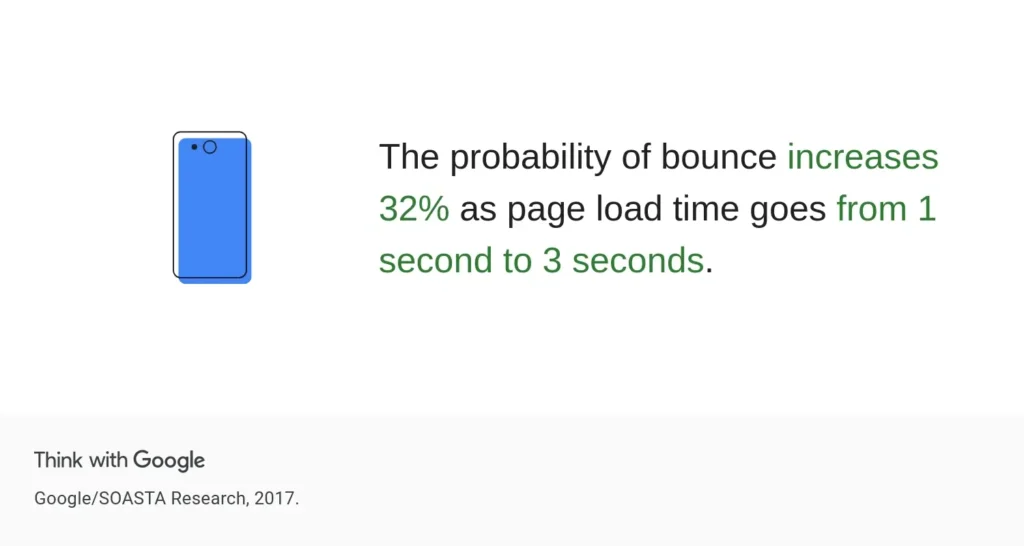
Page speed is a confirmed ranking factor for both desktop and mobile searches. Users expect pages to load quickly. A slow website leads to a poor user experience and higher bounce rates. Google reports that as page load time increases from one to three seconds, the probability of bounce rises by 32%.

- How to Improve Speed:
- Optimize Images: Compress images before uploading them.
- Enable Caching: Browser caching stores parts of your site so it loads faster for repeat visitors.
- Minify Code: Remove unnecessary characters from your HTML, CSS, and JavaScript files.
- Use a Content Delivery Network (CDN): A CDN stores copies of your site on servers around the world, so it loads faster for users no matter their location.
Use Google’s PageSpeed Insights tool to test your site’s speed and get specific recommendations for improvement.
Mobile-Friendliness
Google uses mobile-first indexing. This means it primarily uses the mobile version of your content for indexing and ranking. Your website must be fully responsive and provide an excellent experience on mobile devices. Text should be readable without zooming, and buttons should be easy to tap. Use Google’s Mobile-Friendly Test to check your pages. Nearly 60.54% of searches now take place on mobile devices (Statista, 2024).
XML Sitemaps
An XML sitemap is a file that lists all the important pages on your website. It acts as a roadmap for search engines, helping them find and crawl your content more efficiently. Most modern content management systems (CMS) like WordPress can generate a sitemap for you automatically. Once you have one, submit it to Google through Google Search Console. Including all key web pages in your sitemap is essential for maximizing your visibility on search engine results pages.
Robots.txt File
The robots.txt file is a simple text file that tells search engine crawlers which pages or sections of your site they should not crawl. You can use it to block access to duplicate content, private admin pages, or thank-you pages. A misconfigured robots.txt file can accidentally block search engines from your entire site, so be careful when editing it.
Secure Your Site with HTTPS
HTTPS is the secure version of HTTP. It encrypts data sent between a user’s browser and your website, protecting their information. HTTPS is a minor ranking signal, but more importantly, it builds trust with users.
Browsers like Chrome will flag sites without HTTPS as “Not Secure.” You can get an SSL certificate (which enables HTTPS) from your web hosting provider. Many offer them for free. Over 90% of web traffic on Google was encrypted with HTTPS (Google Transparency Report).
Handling Duplicate Content
Duplicate content occurs when the same or very similar content appears on multiple URLs. This can confuse search engines and dilute your ranking potential.
- Canonical Tags: Use the canonical tag (rel=”canonical”) to tell search engines which version of a page is the preferred one. This is useful for e-commerce sites where a product might appear under multiple URLs due to filters. The canonical tag consolidates all link signals into your main URL.
- 301 Redirects: Use a 301 redirect to permanently send users and search engines from an old URL to a new one. This passes the link authority from the old page to the new one and prevents broken links.
Auditing Your Technical SEO
Regularly auditing your technical SEO is crucial. Tools like Google Search Console are invaluable here. The “Coverage” report in Search Console will show you if Google is having trouble indexing any of your pages. You can also use third-party tools like Screaming Frog or Ahrefs Free Audit tools to crawl your entire website and identify issues like broken links, missing title tags, or redirect chains.
Using these tools, you can ensure that your web pages display correctly on search engine results pages. You can also implement structured data where relevant. This proactive approach helps you catch and fix problems before they negatively impact your site’s visibility and performance in search rankings.
Industry data shows that websites conducting technical SEO audits at least twice per year see 25% fewer technical errors and better search performance.
Diving into Off-Page SEO
Off-Page SEO refers to all the actions you take outside of your website to improve its search engine rankings. These link building activities help build your website’s authority and reputation. While you have less direct control here than with On-Page SEO, it is just as important for success. The primary goal of Off-Page SEO is to show search engines that your website is trustworthy, valuable, and popular.
The Cornerstone of Off-Page SEO: Link Building
Link building is the process of acquiring hyperlinks from other websites to your own. Search engines view these links, also known as backlinks. A link from a high-quality, relevant website tells Google that your content is worth recommending. The quality of the links matters far more than the quantity. A single link from a major industry publication is more valuable than 100 links from low-quality directories. According to a study by Moz (2025), backlinks remain one of the top three ranking factors on Google, helping you move up in search engine results pages.
Effective Link Building Strategies
Building a strong backlink profile takes time and effort. Here are some proven strategies for acquiring high-quality links.
- Create Link-Worthy Content: The first step in link building is to have something worth linking to. This could be an original research study, a comprehensive guide, a free tool, or a visually stunning infographic. People naturally link to resources that are helpful, unique, and authoritative. Your pillar content should be your primary link-building asset.
- Guest Blogging: Guest blogging involves writing and publishing an article on someone else’s website or blog. In return, you typically get a link back to your own website within the content or in an author bio. Find reputable blogs in your niche that accept guest posts. Pitch them a unique article idea that would provide value to their audience. This not only builds a link but also exposes your brand to a new audience.
- Broken Link Building: This technique involves finding a broken link (a link that leads to a 404 error page) on another website. You then contact the site owner, inform them of the broken link, and suggest your own content as a replacement. For this to work, you need a relevant piece of content on your site that can serve as a suitable substitute. Tools like Ahrefs’ Broken Link Checker can help you find these opportunities.
- Digital PR: Digital PR focuses on getting your brand mentioned in online publications. You can do this by creating newsworthy stories, studies, or creative campaigns that journalists and bloggers want to cover. When they write about your story, they will often link back to your website as the source. This is a powerful way to earn high-authority links from trusted news portals. Brands using digital PR can see up to a 70% increase in high-quality backlinks over a year (Content Marketing Institute, 2024).
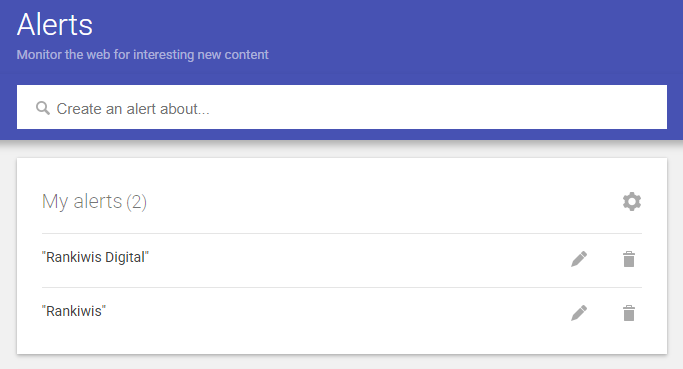
- Unlinked Brand Mentions: Sometimes, other websites will mention your brand name without linking to you. You can use tools like Google Alerts or Brand24 to monitor for these mentions. When you find one, send a friendly email to the site owner, thank them for the mention, and politely ask if they would consider adding a link to your website.
Beyond Links: Other Off-Page SEO Signals
While link building is the main component of Off-Page SEO, other factors also contribute to your website’s authority.
Brand Mentions
Even without a link, brand mentions are a positive signal to search engines. Google is smart enough to associate mentions of your brand with your website. These mentions help build your entity, which is how Google understands your business as a real-world concept. Consistent brand mentions across the web contribute to your overall authority.
Local SEO and Citations
For businesses with a physical location, local SEO is very important. A key part of this is building citations. A citation is any online mention of your business’s name, address, and phone number (NAP). Consistency is crucial. Your NAP should be identical across all platforms, from your Google Business Profile to local directories like Yelp and industry-specific websites. These citations verify your business’s location and contact details, which helps you rank in local search results and map packs.
Why Local Citation Matters
- 62% of consumers avoid businesses with incorrect online information.
- 61% of consumers use business directories (e.g., Google, Yelp) to find information about a business.
- 83% of consumers use Google to find local business reviews.
- 88% of consumers trust businesses that respond to reviews.
- 72% of marketers say high-quality content is the most effective SEO tactic.
- AI Overviews were triggered by 13.14% of search queries in March 2025.
- Local SEO campaigns can achieve a 500% or higher ROI.
- Consistent citations can lead to up to 25% more local search visibility.
Social Media Signals
While social media shares and likes are not direct ranking factors, an active social media presence can indirectly support your SEO efforts. Sharing your content on social platforms increases its visibility. More visibility can lead to more people discovering and linking to your content. Social media also helps build your brand and drive traffic back to your website, which are positive user signals. Social posts with high engagement generate 23% more referral visits.
Online Reviews
Online reviews on platforms like Google, Yelp, and Trustpilot play a significant role in building trust and credibility. Positive reviews can influence both potential customers and search engines. Google considers the quantity and quality of reviews as a ranking factor, especially for local searches. Encourage satisfied customers to leave reviews to build a strong online reputation.
According to BrightLocal’s 2025 Local Consumer Review Survey
- 75% of consumers regularly read online reviews when researching local businesses.
- 83% use Google to find these reviews.
- 71% say they won’t consider a business with an average rating below three stars.
Putting It All Together: A Unified SEO Strategy
SEO is not a one-time task. It is an ongoing process of improvement and adaptation. The three pillars of SEO. On-Page, Technical and Off-Page, work together to create a powerful, holistic strategy. You cannot focus on one area while neglecting the others.
Great content (On-Page) will not rank without topical authority from backlinks (Off-Page). A technically sound website (Technical) will not get traffic without valuable content that people want to read and share. Your journey starts with building a solid technical foundation. From there, you can focus on creating exceptional content that serves your audience. As you publish that content, you can work on promoting it to earn
This ultimate guide has provided a roadmap for your SEO efforts. Start by auditing your website’s technical health. Then, perform keyword research to guide your content creation. Focus on creating the best possible resource for your target topics.
Finally, promote your content to build the links and authority needed to climb the search rankings. By consistently applying these principles, you can turn your website into a powerful engine for organic growth.