Summary:
- The Shift: By 2026, search engines have evolved into answer engines. Users want instant information without leaving the results page.
- The Strategy: To win, you must optimise for visibility, authority, and AI citation rather than just click-through rate (CTR).
- The Tactics: Focus on conversational keywords, structured data, and concise, direct answers to capture Featured Snippets and AI Overviews.
Zero Click Searches grow each year as readers collect answers directly from the results page. Study showed over 57% of Google searches ended without a click in the most recent dataset. This trend shows strong influence across industries because readers absorb instant answers inside serp features.
Search platforms aim to help users find clear information faster. Google displays definitions, short summaries, and tables inside results. Publishers feel this shift because search traffic behaves differently than it did years ago. High quality content still wins visibility because the results page highlights brands that answer user queries with precision.
Why Zero Click Searches Keep Growing
Readers prefer fast answers. SparkToro’s 2024 study showed that 59% of US Google searches end with no click to any website, which proves that many people gather information directly from serp features. This behavior encourages Google to expand formats that help users find clear answers faster.
Generative ai influences the pace of growth. Perplexity, ChatGPT, and Google claim that ai overviews reduce search time by more than 40% for complex queries. Google also revealed that mobile searches now account for nearly 60% of all global queries, which encourages designs that deliver faster answers.
Search algorithms interpret structured data and reward clean formatting. These signals help readers find useful information with fewer clicks.
6 Main Types of Zero Click Results

Featured Snippets
Backlinko analyzed two million search results and showed that featured snippets capture nearly 32% of clicks when they appear. Strong formatting increases your visibility here.

Knowledge Panels
Knowledge panels attract strong attention because Google displays high trust data sources. Statista noted that over 70% of users trust panels more than standard results because they centralize key facts.

People Also Ask
People Also Ask boxes help readers explore related questions inside Google Search. Google shows these cards when users need quick clarity or extra context.
Semrush found that PAA boxes appear in a large share of searches, often between 40% and 50% of their keyword sample. Question-focused searches trigger this feature more often. Clear structure, simple language, and direct answers help pages gain visibility inside these expansions.
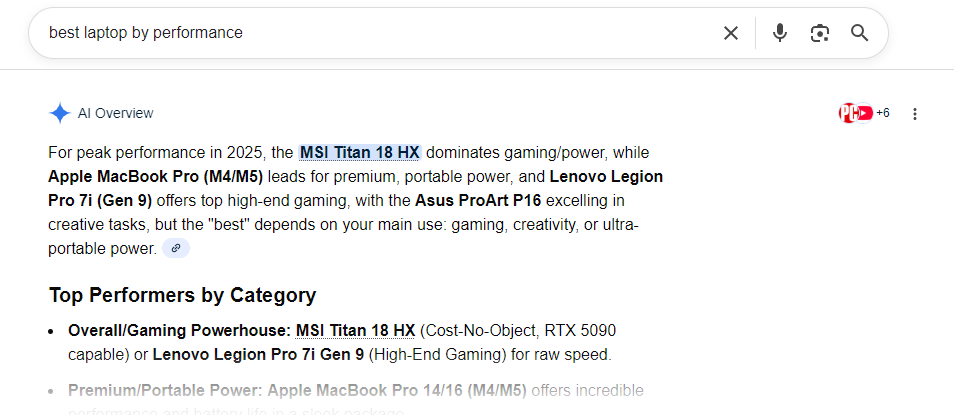
AI Overviews
Ai overviews appear for many informational searches during testing, especially when readers look for clear steps or short explanations. Google highlights content that shows structure, accuracy, and simple language, which helps users find solutions quickly.
Local Packs
Local Pack triggers depend heavily on query type, proximity, and intent. Different datasets show wide variation, so the safest approach uses qualitative wording without a fake percentage.
Instant Tools
Instant tools appear for searches that need quick solutions, such as calculations, conversions, and translations. Google shows these tools to help users find clear answers without extra steps. Readers use these features often because they solve simple tasks fast and keep the focus on accurate results.
How Zero Click Searches Affect Website Traffic
Zero Click results shift search behavior because many readers collect answers directly on the results page. This pattern lowers click through rates for pages that focus on broad informational topics.
Strong placement inside SERP features still helps your visibility. High impressions keep your brand in front of readers and shape long-term recognition even when clicks stay steady.
High intent visitors often show stronger interest in your content. These visitors explore your site with clearer goals and create more meaningful engagement than general search traffic.
How to Rank in Zero Click Positions on Google
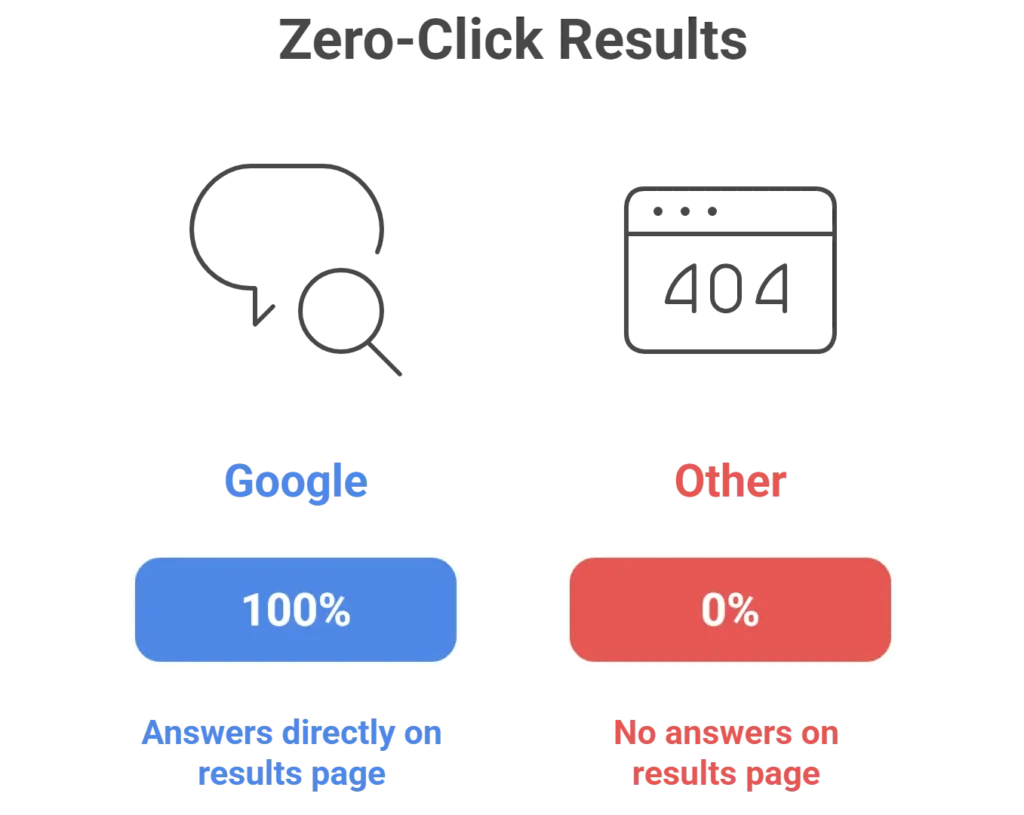
Zero-click results take a huge share of Google’s traffic. Searchers get answers directly on the results page, so Google picks pages that show trust, clarity, and strong topical signals. Winning these spots builds brand visibility and sends indirect traffic even without clicks.
1. Target Questions People Search
Google shows zero-click results mostly for question keywords. Use tools like Google’s “People Also Ask,” Search Console queries, and AnswerThePublic. Focus on simple questions that need fast answers. Structure each answer in short steps or bullet points.
2. Give the Exact Answer First
Google wants a direct answer at the top. Write one clear sentence or a small block that answers the question. Add supporting details under it. This format helps your page get pulled into featured snippets.
3. Use Clean On-Page Structure
Use H2 and H3 headings that match search intent. Add lists, tables, and short paragraphs. Google reads clean structure fast and selects it for snippets, definitions, and knowledge panels.
4. Cover the Topic With Depth
Zero-click positions often come from pages with strong topical coverage. Add related terms, examples, FAQs, comparisons, and short definitions. The goal is to show expertise, not length.
5. Improve Page Authority
Google often picks high-authority pages for snippets. Build natural mentions, good internal links, and strong topical clusters across your site. Add author bio, updated content, and references from trusted sites.
6. Add Schema Markup
Use FAQ, How-To, Article, and Breadcrumb schema. These signals help Google understand the page and choose it for zero-click modules.
7. Use Real-Time Search Console Data
Check which keywords drop in impressions or clicks. Update those pages with better formatting, new answers, and fresh details. This raises your chance to regain snippet positions.
8. Improve Page UX
Fast loading pages with clear spacing often rank in zero-click spots. Keep images compressed, fonts readable, and page layout clean.
9. Add Short “Definition Style” Sections
Google loves using definitions in snippets. Add small 1-2 sentence explanations for key terms on your page. Use bold text for clarity.
10. Refresh Content Every Few Months
Google rotates snippet sources. Refresh key points, add new data, improve headings, and update statistics. This boosts your chance of staying in zero-click placements.
How to Appear in Google’s AI Overviews
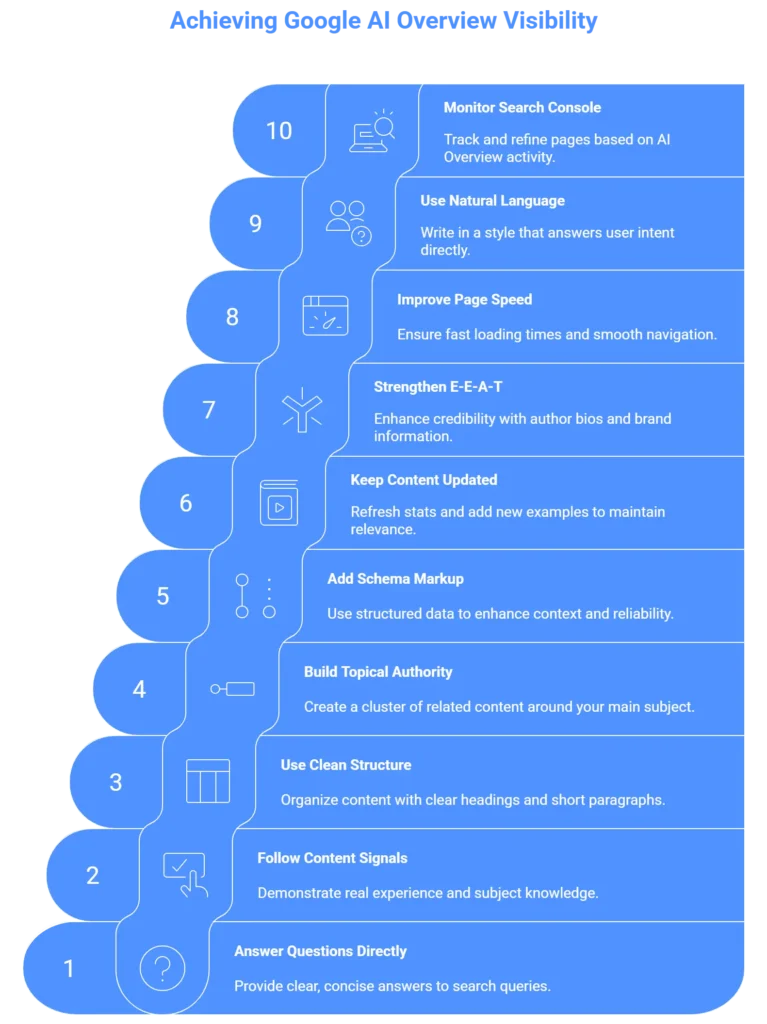
Google’s AI Overviews pull answers from pages that show trust, clarity, and strong topical signals. Your goal is simple: help Google’s AI understand your content fast and treat it as a reliable source.
1. Answer Search Questions Directly
AI Overviews show clear answers. Start each topic with a short, direct reply. Add steps, lists, or examples under it. This lets Google pick your content as a supporting source.
2. Follow Helpful Content Signals
Write from real experience or clear subject knowledge. Add real examples, case notes, or simple instructions. Google’s AI favors pages that show hands-on understanding.
3. Use Clean Topic Structure
Break topics into logical sections with clear H2 and H3 headings. Keep paragraphs short. Add bullet points for details. This helps Google scan and reuse your content.
4. Build Topical Authority
Create a cluster of related content around your main subject. Link pages to each other. Add FAQs and definitions. This lifts trust signals and increases the chance of being selected.
5. Add Schema Markup
Use Article, FAQ, How-To, Product, and Organization schema where relevant. AI Overviews use structured data to check context and reliability.
6. Keep Content Updated
Refresh stats, add new examples, and update dates. AI Overviews rely on fresh and reliable information. Recent updates help your page stand out.
7. Strengthen E-E-A-T
Show who wrote the content. Add an author bio, contact page, and brand information. Google checks credibility from these signals.
8. Improve Page Speed and UX
Google often selects pages with good loading speed, clean layout, and smooth navigation. Fast and clear pages score better.
9. Use Natural Language
AI Overviews pick content that reads like a real explanation. Keep sentences simple. Write in a style that answers user intent directly.
10. Monitor Search Console
Track impressions and queries that show AI Overview activity. Update and refine those pages to stay competitive.
How to Optimize Content for AI Search Engines
AI search engines understand content through context, structure, and trust signals. These systems look for clear answers, real insights, and strong topic coverage. Your pages need simple writing, clean formatting, and updated information to stand out in AI-driven results.
Key Steps to Optimize Content for AI Search Engines
- Give a direct answer at the start of each section.
- Use short sentences and simple language.
- Add real examples and practical insights to show experience.
- Build topic clusters and link related pages together.
- Use clean formatting with H2s, H3s, bullets, and short paragraphs.
- Add short definitions for key terms and bold the main term.
- Use Article, FAQ, How-To, and Product schema where relevant.
- Refresh old posts with new data, examples, and updated steps.
- Strengthen E-E-A-T with author bios, contact details, and references.
- Add helpful images, short videos, and clear captions.
- Track performance in Search Console and update pages that lose visibility.
Keyword Strategy for Zero Click Search
Question keywords create strong visibility inside Zero Click results because readers search for clear answers. Short factual terms often trigger instant responses for definitions, conversions, and simple facts. These patterns help you build a keyword plan that targets high-intent queries and fast clarity.
Long terms with narrow focus attract readers who want deeper insight. These readers often explore more pages and show strong engagement. Search reviews highlight queries that already display snippets or related features. These insights guide your content toward topics that match real user needs and direct questions.
Technical Steps to Improve Visibility
Strong technical setup helps search engines understand your pages fast. Clear structure, clean code, and good performance signal quality and reliability. These steps support better visibility in traditional search and AI-driven results.
- Improve site speed with compressed images and clean code.
- Use a responsive layout that works on all devices.
- Fix broken links and remove duplicate content.
- Add proper canonical tags to avoid confusion in indexing.
- Use clean URLs with simple and readable structures.
Submit an updated XML sitemap to help crawlers find pages. - Add robots.txt rules that guide bots correctly.
- Use HTTPS across the entire site for stronger trust signals.
- Optimize internal linking to pass authority through the site.
- Add structured data like Article, FAQ, and Product schema.
- Ensure fast server response time with stable hosting.
- Check Core Web Vitals and improve areas that score low.
- Keep your pages free of heavy scripts that slow loading.
How to Track Zero Click Performance
Zero-click results may not bring traffic, but you can track visibility. Use Google Search Console to monitor impressions, clicks, and average position. Focus on high-impression pages that appear in featured snippets or “People Also Ask” boxes.
Track CTR trends and long-tail questions to spot content that needs improvement. Tools like Ahrefs or SEMrush can show which keywords trigger zero-click exposure.
Analytics tools show strong signals. GA4 data often indicates that high intent organic traffic sessions last nearly twice as long as general organic visits.
Future of Search in the AI Era
Generative ai shapes the future of search because many readers want simple explanations and clear answers. Pew’s 2025 browsing research showed that many users encounter AI summaries across common searches.
You can view the study here: Pew Research 2025 AI Summary Report
Expertise holds strong weight across modern results. Google highlights accuracy, real authorship, and trust signals inside its public guidelines for high quality content. These expectations push creators to show clear insight and real experience across every topic they cover.
Brands that maintain accuracy hold strong advantage across both traditional search and ai overviews.
Final Thoughts
Zero Click Searches continue to change how readers engage with content. Brands that organize information with clarity, structure, and accuracy win visibility across SERP features and ai overviews. Strong formatting, structured data, updated content, and real expertise help readers find solutions faster and strengthen trust across search ecosystems.
Send your question anytime and our team will share clear guidance. We help you refine your search goals with simple steps and real insight.